Strand A: Foundations of Language and Mathematics · Talking, Listening, Reading and WritingReading and Spelling Short Words
A2.3 A2.4 A2.5About 25 minutes
Learning goals- I can say the sound for each letter in a short word.
- I can blend the sounds to read a word like cat.
- I can say the sounds in a word and write a letter for each sound.
- I can change one letter to make a new word.
Words to know
sound out
Say the sound of each letter in a word, one at a time.
blend
Push sounds together to make a word. /s/ /u/ /n/ blends to sun.
vowel
The letters a, e, i, o and u. A short word usually has one in the middle.
spell
Write the letters of a word in the right order.
Now you can read words!
(Grown-up: read aloud. Have paper and a crayon ready. Remember: a letter between slashes, like /m/, means say the sound.)
You know lots of letter sounds. You can push sounds together, like /d/ /o/ /g/ → dog.
Guess what? When you put those two things together, you can read words all by yourself!
Tap, slide, say
To read a short word:
- Tap under each letter and say its sound.
- Slide your finger under the whole word and stretch the sounds together.
- Say the word fast, like you are talking.
Let's try cat. Tap: /c/ /a/ /t/. Slide: caaat. Say: cat! 🐱
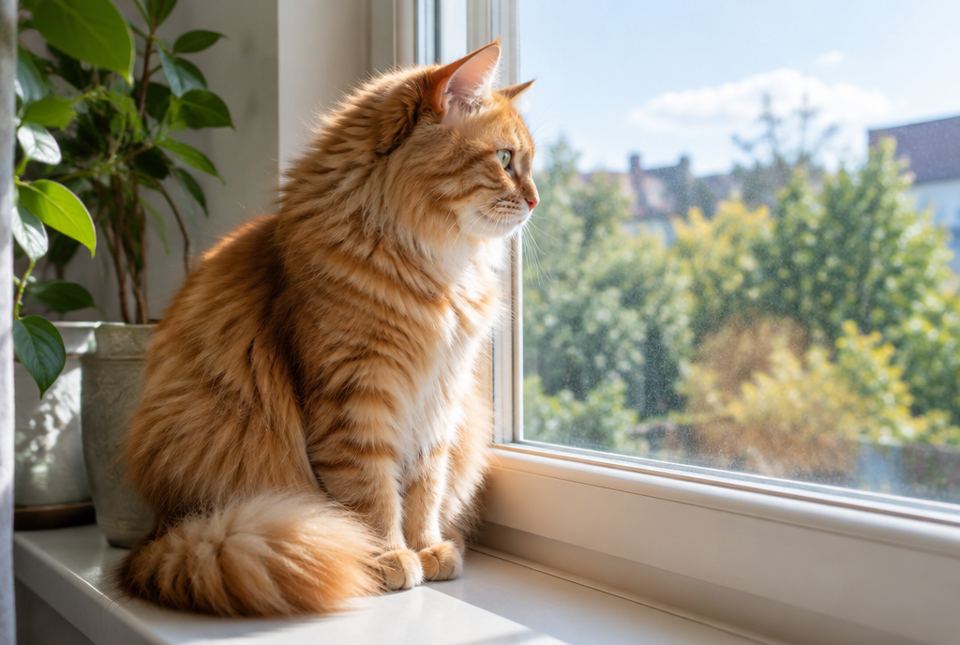 Tap, slide, say: /c/ /a/ /t/, cat! You can read the word for this furry friend. AI-generated imageTap under each letter and say its sound: /c/ /a/ /t/. Then slide your finger under the whole word and say it: cat!
| Letter | Sound | Picture word |
|---|
| a | /a/ | apple 🍎 |
| e | /e/ | egg 🥚 |
| i | /i/ | igloo |
| o | /o/ | octopus 🐙 |
| u | /u/ | umbrella ☂️ |
| s | sss | sun ☀️ |
| m | mmm | moon 🌙 |
| t | /t/ | turtle 🐢 |
| p | /p/ | pig 🐷 |
| n | nnn | nest 🪺 |
| d | /d/ | dog 🐶 |
| g | /g/ | goat 🐐 |
| b | /b/ | bear 🐻 |
| h | /h/ | hat 🎩 |
| c | /c/ | cat 🐱 |
Worked exampleLet's read the word sun
- Tap under s and say its sound: sss.
- Tap under u and say its sound: /u/, like in umbrella.
- Tap under n and say its sound: nnn.
- Slide your finger under the word and hold the sounds together: sssuuunnn.
- Say it fast: sun! Does it make sense? Yes, the sun is in the sky ☀️.
The word is sun. You read it by tapping each sound, sliding and saying it fast.
A vowel in the middle
Look at these words: cat, sun, dog, pig, bed.
Each one has a vowel in the middle: a, e, i, o or u. The vowel is like the glue that holds the word together. Listen carefully for the middle sound!
Worked exampleLet's spell the word pig
We want to write the word pig 🐷.
- Say it slowly: p-i-g.
- Count the sounds on your fingers: /p/ is 1, /i/ is 2, /g/ is 3. Three sounds!
- Write a letter for each sound, left to right: /p/ is p, /i/ is i, /g/ is g.
- Read it back to check: tap /p/ /i/ /g/, slide, say: pig. It matches!
p-i-g spells pig. Three sounds, three letters.
Change one letter, make a new word
Words are like building blocks. Change one letter and you get a new word! Climb this word ladder:
- cat → change c to h → hat 🎩
- hat → change a to o → hot 🔥
- hot → change t to p → hop 🐇
- hop → change h to m → mop 🧹
Keep sounds stretchy
When you slide, keep the sounds connected: sssuuunnn, not suh-uh-nuh. Stretchy sounds blend more easily. Short sounds like /t/, /p/ and /d/ are quick, so just tap them lightly.
Just for funChange one letter in pig and you can make big, dig, fig or wig.
A pig in a wig? Now that is a silly picture! 🐷
Hands-on activityWord building with letter cards
You need: small squares of paper and a marker (or magnetic letters).
- A grown-up writes one letter on each square: a, i, o, u, s, t, p, n, m, c, d, g, h, b.
- Build cat together. Read it with tap, slide, say.
- Swap one letter: change c to h (hat), then to m (mat), then to s (sat). Read each new word.
- Spelling game: the grown-up says a word (pin, dog, sun). The child says the sounds and finds a letter for each one.
- Draw a little picture for each word you build.
Your turn
Sit. /s/ /i/ /t/ → sit. Can you sit down?
4How many sounds are in sun? Hold up a finger for each one.
5Spell cat. Say the sounds, then write a letter for each one.
c-a-t. /c/ is c, /a/ is a, /t/ is t. (If your child writes kat, praise the sounds and show that cat uses a c.)
6Change the c in cat to h. What word did you make?
7Which word goes with 🐷: pig, pin or peg?
Pig. /p/ /i/ /g/. Pin ends with /n/ and peg has /e/ in the middle.
More practice: warm-up
1What sound does a make, like in apple?
/a/, the short a sound at the start of apple.
2Push the sounds together: /m/ /a/ /t/.
4Read this little word: in
In. /i/ /n/. Only 2 sounds!
5Which letter makes the last sound in cat?
t. The last sound is /t/.
More practice: on your own
Bed. /b/ /e/ /d/. The vowel in the middle is e.
2Spell dog. Say the sounds, then write a letter for each one.
d-o-g. Three sounds, three letters. The middle sound /o/ is spelled o.
3Read this word: hen. Which picture matches: 🐔 or 🐷?
Hen 🐔. /h/ /e/ /n/. A hen is a mother chicken.
4Change the middle letter in pin to a. What new word did you make?
Pan 🍳. p-a-n. Only the middle sound changed.
s-u-n. /s/ is s, /u/ is u, /n/ is n.
Challenge
1Read the word ladder: cat → hat → hot → hop. Which letter changed each time?
cat → hat: c changed to h. hat → hot: a changed to o. hot → hop: t changed to p. Each step changes only one letter.
2Spell bug and rug. What is the same and what is different?
b-u-g and r-u-g. They both end with -ug, so they rhyme. Only the first letter is different.
3A friend wrote dg under a picture of a dog. Which sound is missing? Which letter spells it?
The middle sound /o/ is missing. Add o to make dog. Middle sounds are the easiest to miss, so say the word slowly.
Quiz
1. Tap, slide, say: c-a-t. What word is it?
2. How many sounds are in map 🗺️?
3. To spell dog, which letter goes in the middle? d _ g
4. Change the first letter of mop to t. What is the new word?
What the curriculum asks: The Kindergarten Curriculum (2026) asks children to hear, blend and segment the sounds in words (A2.3), match letters to sounds (A2.4) and use phonics to read and spell simple words (A2.5). Simple words here means short words like cat, sun and pig: a consonant, a short vowel, a consonant (often called CVC words).
How to help at home:
- Keep it short and playful: 5 to 10 minutes of word building is plenty.
- Use magnetic letters or paper letter cards so your child can move letters around instead of writing every time.
- When spelling, ask "What sounds do you hear?" and let your child count them on their fingers before choosing letters.
- Celebrate real reading: "You read that word all by yourself!"
Common difficulties:
- Saying the sounds but not blending them ("/c/ /a/ /t/... cup?"). Model sliding: hold each sound into the next (caaat), then say it fast.
- Adding "uh" to sounds (kuh-a-tuh). Keep stop sounds short and quiet.
- Leaving out the middle vowel when spelling (dg for dog). Stretch the word and ask, "What do you hear in the middle?"
- Mixing up the short vowels, especially e and i. This is very common. Practise one vowel at a time with a picture (egg, igloo).
- Spelling with the wrong letter for the right sound (kat for cat). The sounds are right, which is the main goal. Show the usual spelling without fuss.