B. Number · Number Sense: Numbers to 1000 and FractionsFair Sharing: Whole Numbers, Leftovers and Mixed Numbers
B1.6 A1About 35 minutes
Learning goals- I can share up to 20 things equally among 2, 3, 4, 5, 6, 8 or 10 people.
- I can use a drawing to show a fair share.
- I can decide what to do with leftovers.
- I can name a share as a mixed number, like 3 and one half.
Words to know
fair share
When everyone gets the same amount.
sharer
A person (or group) who gets a share.
leftover
What is left after everyone has an equal share of the whole things.
mixed number
A whole number and a fraction together, like 3 and one half.
fraction
A number that names equal parts of a whole, like one half or two fifths.
Remember from Grade 2
In Grade 2 you shared up to 10 things among 2, 3, 4 or 6 people. Some shares were whole numbers, some had halves, and some were fractions like two thirds. This year you will share up to 20 things among 2, 3, 4, 5, 6, 8 or 10 people.
After skating
Five friends come home from the outdoor rink. Grandma has 15 mini muffins. How can the friends share them fairly?
One way: deal them out one at a time, like cards, until they are all gone. Another way: draw 5 plates and put the same number on each plate.
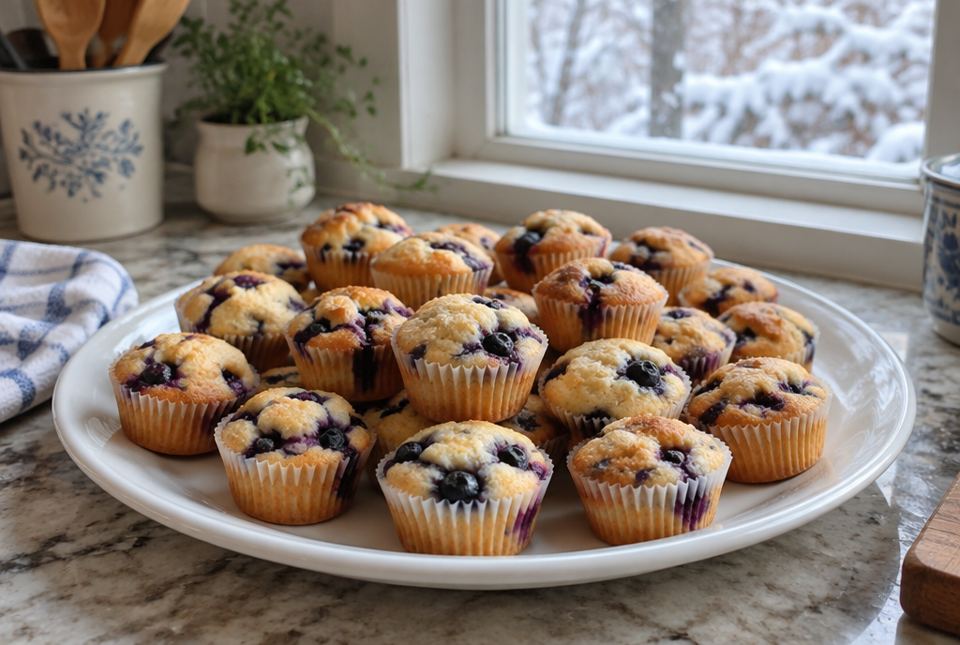 Muffins after skating! To share them fairly, deal them out one at a time until every friend has the same number. AI-generated image15 muffins shared fairly on 5 plates. Each plate has 3 muffins.
Each friend gets 3 muffins. Check: 3 + 3 + 3 + 3 + 3 = 15. ✔
When the share comes out even, every person gets a whole number of things.
Worked exampleExample 1: An even share
6 kids share 18 crackers fairly. How many does each kid get?
- Draw 6 circles, one for each kid.
- Deal out the crackers one at a time, around and around.
- Each circle ends up with 3 crackers. Check: 3 + 3 + 3 + 3 + 3 + 3 = 18.
Each kid gets 3 crackers.
What about leftovers?
4 friends share 14 granola bars. Deal them out: each friend gets 3 bars. That uses 12 bars. There are 2 bars left over.
What should we do with the leftovers? It depends on what we are sharing:
- Granola bars, pizzas and pancakes can be cut into equal pieces. We can share the leftovers too!
- Balloons, toy cars and hockey cards can't be cut. The leftovers stay left over (maybe you can save them, or give them to someone else).
To share the 2 leftover bars among 4 friends, cut each bar in half. That makes 4 halves, one for each friend. Each friend gets 3 and one half bars.
3 and one half is a mixed number: a whole number (3) and a fraction (one half) together.
Worked exampleExample 2: Sharing leftovers in fifths
5 friends share 17 pancakes. How much does each friend get?
- Deal out the whole pancakes: each friend gets 3. That uses 15 pancakes.
- There are 2 pancakes left over (17 − 15 = 2).
- There are 5 friends, so cut each leftover pancake into 5 equal pieces: fifths.
- 2 pancakes × 5 pieces = 10 fifths. Deal them out: each friend gets 2 fifths.
Each friend gets 3 and two fifths pancakes.
17 pancakes shared by 5 friends. Each friend gets 3 whole pancakes and two fifths of a pancake.Worked exampleExample 3: Leftovers we can't cut
8 kids share 20 hockey cards. How many does each kid get?
- Deal them out: each kid gets 2 cards. That uses 16 cards.
- There are 20 − 16 = 4 cards left.
- We shouldn't cut hockey cards! So 4 cards are left over.
Each kid gets 2 cards, and 4 cards are left over.
Worked exampleExample 4: More pizzas than people
4 friends share 6 pizzas. How much does each friend get?
- Deal out the whole pizzas: each friend gets 1. That uses 4 pizzas.
- There are 2 left. Cut each one in half: 4 halves.
- Each friend gets one more half.
Each friend gets 1 and one half pizzas.
Check your share
Always check a fair share by putting it back together. For 14 bars and 4 friends: 3 + 3 + 3 + 3 = 12 whole bars, and 4 halves make 2 more bars. 12 + 2 = 14. ✔
Fair and friendly
Sharing fairly is a kind thing to do. If someone feels their share isn't fair, you can count or line up the pieces together to check. Talking calmly about it helps everyone feel good.
Just for funA real trick for sharing one pancake fairly between two friends: one friend cuts, and the other friend picks first. The cutter will try very hard to make two equal halves!
Hands-on activityPancake party
You need: paper, scissors (ask a grown-up for help) and some stuffed animals or toys to be the "friends". Or use real crackers or tortillas with a grown-up.
- Cut out 15 paper circles. These are pancakes.
- Share 11 pancakes between 2 toys. What do you do with the leftover? (Answer: each gets 5 and one half.)
- Share 13 pancakes among 4 toys. (Answer: 3 and one fourth each.)
- Share 9 pancakes among 5 toys. (Answer: 1 whole each, then 4 left. Cut each of those into fifths: 20 fifths, so each toy gets 4 more fifths: 1 and four fifths each.)
- Draw a picture of each share.
Math talk: "How did I decide how to cut the leftovers?"
Your turn
13 friends share 12 apples. How many each?
4 apples each. 4 + 4 + 4 = 12.
210 kids share 20 stickers. How many each?
38 kids share 16 crackers. How many each?
42 friends share 9 cookies. How much does each friend get?
4 and one half cookies. 4 each uses 8; cut the last cookie in half.
54 friends share 13 brownies. How much each?
3 and one fourth brownies. 3 each uses 12. Cut the last brownie into 4 equal pieces.
66 kids share 19 balloons. Balloons can't be cut. How many each?
3 balloons each, and 1 is left over. 3 × 6 = 18.
75 friends share 11 pancakes. How much each?
2 and one fifth pancakes. 2 each uses 10. Cut the last pancake into 5 equal pieces.
More practice: warm-up
15 kids share 10 oranges. How many each?
24 kids share 8 muffins. How many each?
33 kids share 15 grapes. How many each?
42 kids share 5 sandwiches. How much each?
2 and one half sandwiches.
52 kids share 7 pizzas. How much each?
More practice: on your own
14 friends share 18 muffins. How much does each friend get?
4 and one half muffins. 4 each uses 16. The 2 leftovers are cut in half to make 4 halves, one for each friend.
28 kids share 17 granola bars. How much each?
2 and one eighth bars. 2 each uses 16. The last bar is cut into 8 equal pieces (eighths).
35 kids share 14 toy cars. How many each?
2 toy cars each, with 4 left over. 2 × 5 = 10, and toy cars can't be cut.
4Raj shares 10 pizzas among 4 people. He says each person gets 2 and one half. Check his answer.
He is right. 2 each uses 8 pizzas. The 2 leftovers cut in half make 4 halves, one each. Check: 2 + 2 + 2 + 2 = 8, and 4 halves = 2 pizzas. 8 + 2 = 10. ✔
53 friends share 16 sub sandwiches. How much each?
5 and one third subs. 5 each uses 15. Cut the last sub into 3 equal pieces (thirds).
Challenge
110 people share 19 pies. How much does each person get?
1 and nine tenths pies. 1 each uses 10 pies, leaving 9. Cut each of the 9 pies into 10 equal pieces (tenths): 90 tenths. Each person gets 9 tenths.
2Which gives each person more: 13 bars shared by 4, or 13 bars shared by 5?
Shared by 4. 13 among 4 is 3 and one fourth each. 13 among 5 is 2 each with 3 left, so 2 and three fifths each. 3 and a bit is more than 2 and a bit.
3Mia shares 20 strawberries fairly. Each person gets 2 and one half strawberries. How many people are sharing?
8 people. If 8 people each get 2 whole strawberries, that uses 16. The other 4 strawberries cut in half make 8 halves, one for each person. 16 + 4 = 20. ✔
Quiz
1. 5 kids share 20 apples. How many does each kid get?
2. 2 kids share 9 sandwiches. How much does each kid get?
4. 3 kids share 13 crackers. The crackers can be broken into equal pieces. How much does each kid get?
5. 4 kids share 11 balloons. Balloons can't be cut. What happens?
6. 8 friends share 17 pizzas. How much does each friend get?
Big idea: Fair sharing (equal sharing) is how children first meet fractions and division. The curriculum (B1.6) asks Grade 3 students to use drawings to represent, solve and compare fair-share problems with up to 20 items and 2, 3, 4, 5, 6, 8 or 10 sharers, including answers that are whole numbers, mixed numbers and fractions.
Common difficulties:
- Unequal shares. Encourage dealing out one at a time and drawing a circle for each sharer.
- Cutting leftovers into the wrong number of pieces. The number of equal pieces should match the number of sharers (5 sharers → fifths).
- Forgetting the leftovers or cutting things that can't be cut. Ask: "Can this be cut into equal pieces?"
- Naming mixed numbers. Say the whole part and the fraction part: "3 and one half".
How to help: Share real food fairly at snack time: crackers, tortillas, pizza slices, granola bars. Let your child decide how to cut the leftovers. We use words like "two fifths" here; writing fractions with numbers is part of the Operations unit.