E. Earth and Space Systems · Daily and Seasonal ChangesDay and Night: A Daily Cycle
E2.2 E2.3 E2.6 A2.1About 30 minutes
Learning goals- I can explain that a cycle is a set of events that happens again and again.
- I can put the parts of a day in order: morning, afternoon, evening, night.
- I can describe how light and warmth change through the day.
- I can tell how people get ready for day and night.
- I can write steps in order, like a coder.
Words to know
cycle
A set of events that happens in the same order, again and again.
daily
Happening every day.
morning
The first part of the day, after the Sun rises.
afternoon
The part of the day after lunch and before evening.
evening
The end of the day, when the Sun goes down.
sequence
Steps or events in order.
Again and again
Think about yesterday. You woke up. It was morning. Then afternoon. Then evening. Then night, and you slept.
Then today... morning came again! And tomorrow it will happen again.
When something happens in the same order, again and again, it is called a cycle.
The day and night cycle
The day and night cycle goes like this:
morning → afternoon → evening → night → morning again...
It never stops. It happens because Earth keeps spinning. One full turn takes one day.
We can draw a cycle as a circle with arrows, because it goes around and around.
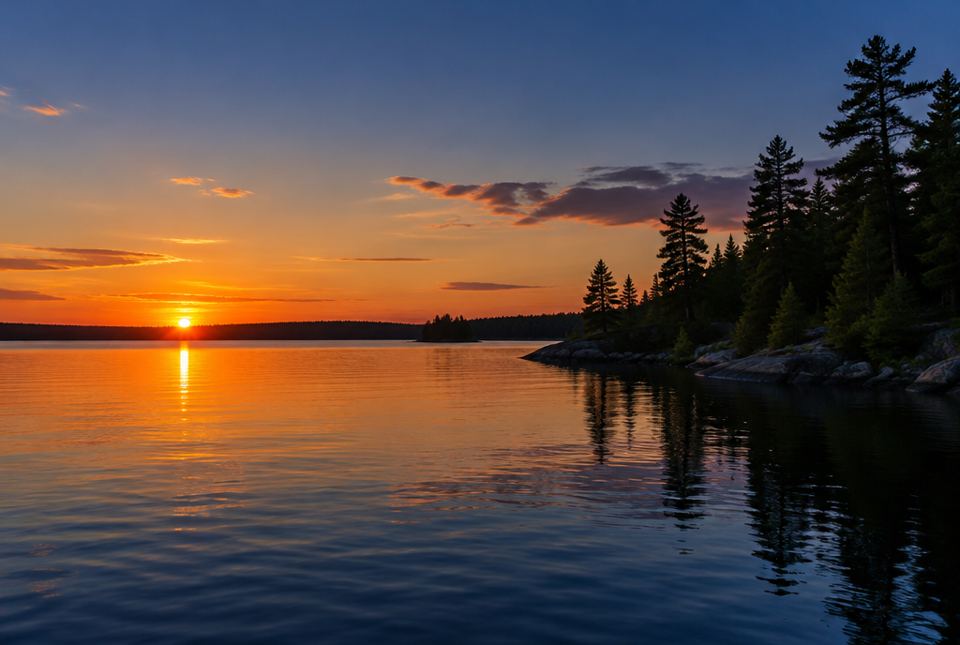 Evening: the Sun is going down and night is coming. Tomorrow morning it will rise again, because the day and night cycle goes around and around. AI-generated imageThe day and night cycle: morning, afternoon, evening, night, and then morning again. Follow the arrows around. It never stops, because Earth keeps spinning.
🌅☀️🌇🌙
Morning (sunrise), middle of the day, evening (sunset), night. Then morning comes again!| Part of the day | Light | Warmth | What many people do |
|---|
| morning | the Sun rises, light grows | cool | wake up, eat breakfast, go to school |
| afternoon | bright | usually the warmest | learn, play, work |
| evening | the Sun sets, light fades | cooling | eat dinner, turn on lights, have a bath |
| night | dark (Moon and stars may show) | coolest | put on pyjamas, sleep |
People respond to daily changes
People change what they do as the day changes.
- When it gets dark, we turn on lights.
- At night, we sleep. Our bodies need rest.
- On hot summer afternoons, we wear hats and sunscreen, drink water and play in the shade.
- On cool mornings, we wear a sweater, then take it off when it gets warm.
- Streetlights turn on in the evening to keep people safe.
Some animals are awake at night and sleep in the day! Owls, raccoons and bats are nocturnal: they are busy at night.
Worked exampleLet's put a day in order
Put these in order, starting with morning: eat dinner, wake up, sleep, eat lunch.
- Which comes first? We wake up in the morning.
- Next, around the middle of the day, we eat lunch.
- In the evening, we eat dinner.
- At night, we sleep.
- Then the cycle starts again: wake up!
Wake up → eat lunch → eat dinner → sleep → (wake up again)
Coding the cycle
Coders write instructions for computers, in the right order. Here is a little program for a robot that acts out one day. The REPEAT line makes it a cycle!
REPEAT forever:
1. Sun rises in the east. Say "Good morning!"
2. Sun climbs high. Say "It's warm!"
3. Sun sets in the west. Turn on the lights.
4. Dark night. Say "Goodnight!" and sleep.
(go back to step 1)
A day-and-night cycle as a program. REPEAT means do the steps again and again.
Worked exampleLet's debug the code
A robot's code says: 1. Sun sets. 2. Sun rises. 3. Night. 4. Middle of the day. What's wrong?
- Read the steps. The robot says the Sun sets first. But morning starts with the Sun rising.
- Night comes after the Sun sets, not after it rises.
- Fix the order: Sun rises → middle of the day → Sun sets → night.
The steps were out of order. Fixed code: 1. Sun rises. 2. Middle of the day. 3. Sun sets. 4. Night. Then repeat.
Just for funWhy did the Sun go to school?
To get a little brighter!
Hands-on activityMy day cycle wheel
You need: a paper plate (or a circle of paper), crayons, a ruler.
- With a grown-up, draw two lines across the plate to make 4 parts, like a pizza.
- In each part, draw one part of the day: morning, afternoon, evening, night. Go around the circle in order.
- Show the Sun's position in each picture (low, high, low, gone) and something you do.
- Draw arrows from one part to the next all the way around.
- Spin your wheel and tell a grown-up the day's story. Point out: "It never ends. It's a cycle!"
Coding extra: Act like a robot. A grown-up reads the code above and you act out each step.
Your turn
Events that happen in the same order, again and again.
2What comes after evening?
Morning (the cycle starts again).
4When is it usually darkest: morning, afternoon or night?
5Name one thing people do when it gets dark.
Answers will vary. Examples: turn on lights, put on pyjamas, go to sleep, close the curtains.
6Name an animal that is busy at night.
Answers will vary. Examples: an owl, a raccoon, a bat.
7Why does the day and night cycle keep happening?
Because Earth keeps spinning.
More practice: warm-up
1Put in order: night, morning, evening, afternoon.
Morning, afternoon, evening, night.
2When do you eat breakfast?
3Is the Sun up at night where you live?
No. Our side of Earth faces away from the Sun.
4Does the day and night cycle ever stop?
No. It happens every day.
5What do streetlights do in the evening?
They turn on to give light.
More practice: on your own
1It's a hot summer afternoon. Name two things you could do to stay safe.
Answers will vary. Examples: wear a hat and sunscreen, drink water, play in the shade. These protect you from the Sun's heat and strong light.
2Why might you wear a sweater in the morning but take it off in the afternoon?
Mornings are often cool. By the afternoon, the Sun has warmed things up, so it is warmer.
3In code, what does REPEAT mean?
Do the steps again and again. It turns the steps into a cycle.
4Is this a cycle? "Brush teeth every morning and every night." Explain.
Yes. It happens in the same order, again and again, every day.
5Is this a cycle? "I lost my first tooth." Explain.
No. It happens only once. It does not repeat in the same way.
Challenge
1Write your own 4-step code for a robot getting ready for bed. Use a sensible order.
Answers will vary. Example: 1. Put on pyjamas. 2. Brush teeth. 3. Read a story. 4. Turn off the light. Look for 4 clear steps in an order that makes sense.
2Raccoons sleep in the day and look for food at night. Why might that help them?
Answers will vary. Examples: it is quieter at night with fewer people around, so they can find food more safely. Look for a sensible reason.
3Name another cycle you know besides day and night.
Answers will vary. Examples: the seasons, the days of the week, the months of the year, a bus going around its route, a butterfly's life cycle.
Quiz
3. When is it usually warmest on a sunny day?
4. What do people often do when it gets dark?
5. Which animal is busy at night?
6. In code, what does REPEAT do?
Big idea: A cycle is a series of events that repeats (E2.2). The day-and-night cycle comes from Earth's spinning; light and warmth change through the day (E2.3), and people adapt their routines (E2.6). The robot code introduces sequences, repeats (loops) and debugging (A2.1).
How to help: Use time words often: morning, afternoon, evening, night. Make a picture schedule of your child's day and point out that it repeats. Let your child "program" you with steps for a routine (getting dressed, making a snack) and follow them exactly, even silly mistakes, so they see why order matters.
Common difficulties:
- Confusing afternoon and evening. Afternoon is after lunch while it is still light; evening is when the Sun goes down and dinner happens.
- In winter, it's dark at dinnertime; in summer it's light at bedtime. That is normal and is explored in the seasons lesson.
- Thinking a cycle must be a circle shape. It's about repeating, and a circle with arrows is just a way to draw it.